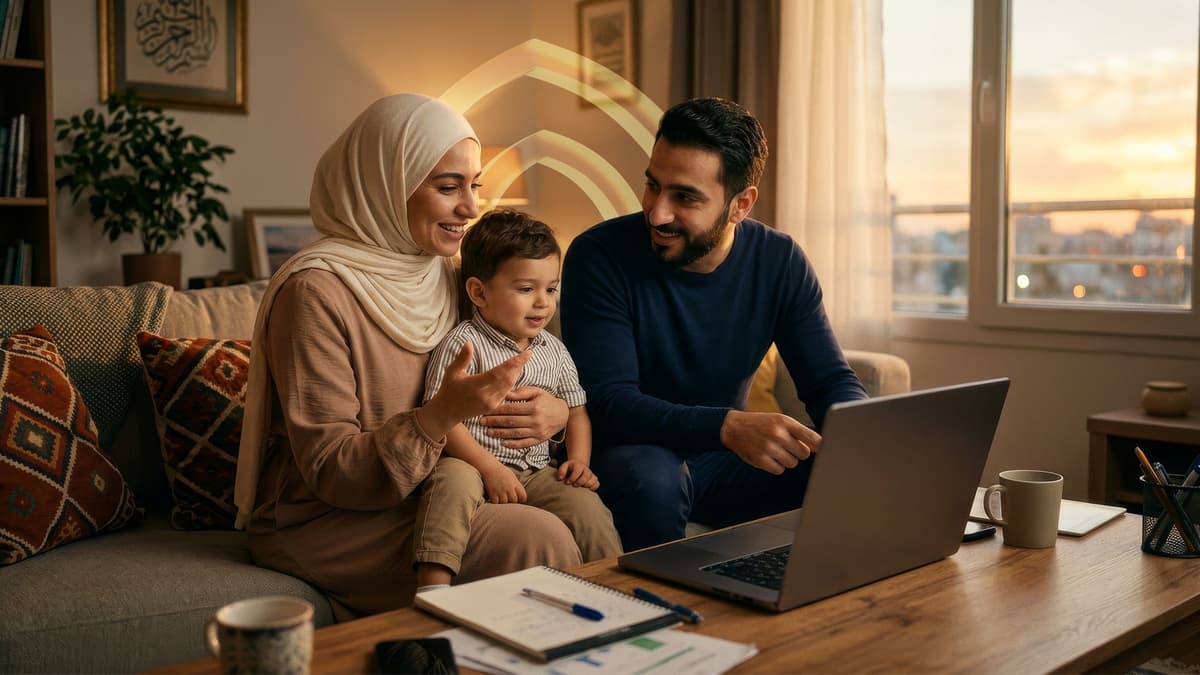
IFN 2026: Oman & Qatar Signal a New Era for Islamic Finance
Hejaz shares insights from IFN 2026 in Oman and Qatar on deeper Islamic investment markets, trusted innovation and wider participation.
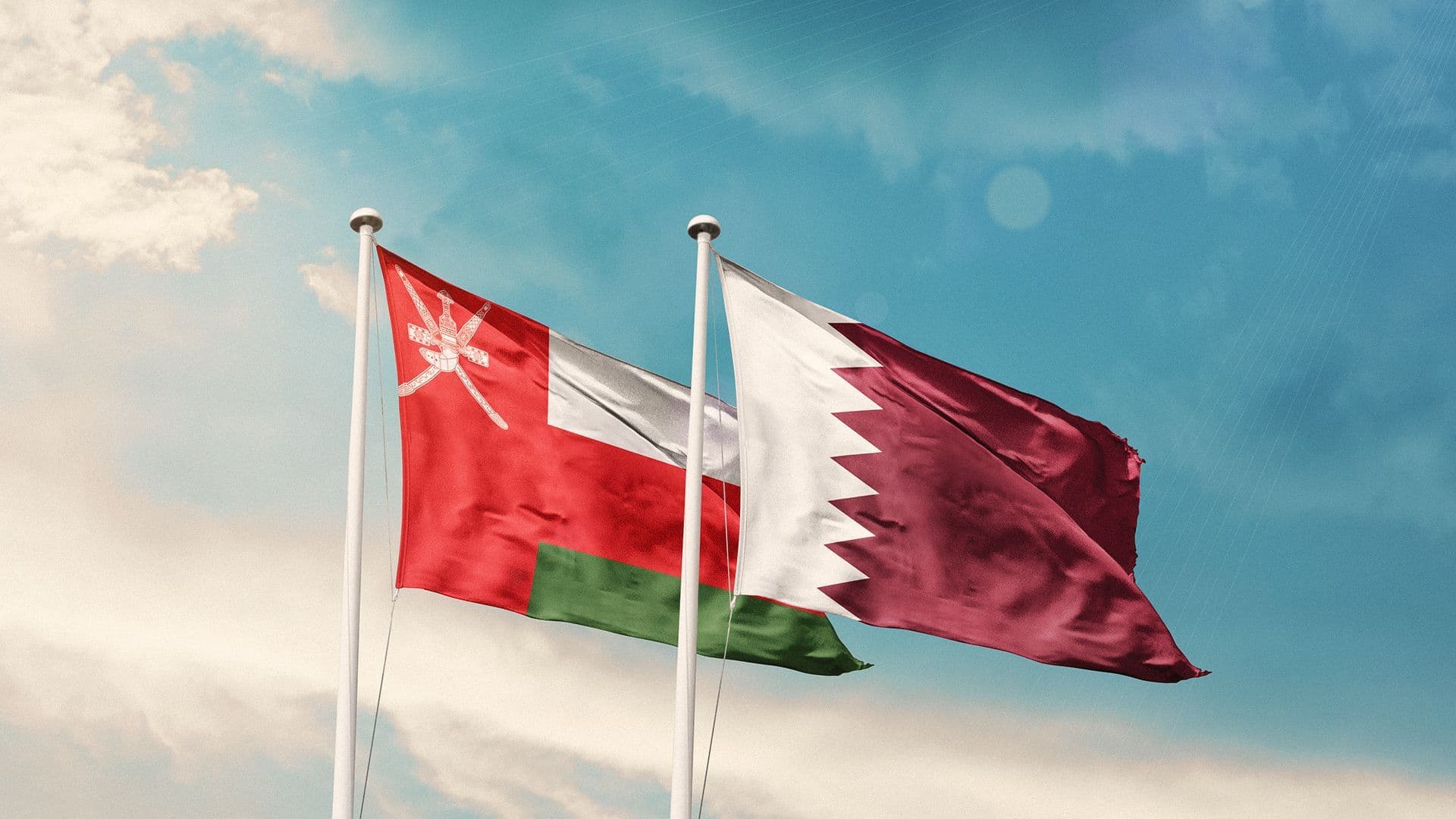
At the IFN Oman Forum and IFN Qatar Dialogues, one question kept coming up: Islamic banking has secured a meaningful place in both markets. What needs to happen next?
For Oman and Qatar, the answer is no longer simply more banking products. It is about giving people more ways to invest through stronger capital markets, professional asset management, and better access to Sharia-compliant opportunities.
That was the thread running through Hejaz’s contribution to IFN 2026. Oman and Qatar are starting from different positions. Oman formally enabled Islamic banking in 2012, and Islamic banks and windows now hold about one-fifth of the country’s banking assets. Qatar already has a well-established financial sector, while its Third Financial Sector Strategic Plan places Islamic finance alongside capital markets, digital finance and financial innovation.
Different starting points, but the same next step: turning a solid banking base into a market where more people can invest.
From Banking Access to Investment Depth
As Muzzammil Dhedhy, Chief Risk & Compliance Officer of Hejaz Group and Executive Director of Wahda, highlighted through the IFN 2026 discussions, the next chapter for Oman and Qatar is about building deeper and more diversified Islamic investment markets.
That means credible funds, active capital markets, and a wider range of assets. For everyday investors, the practical difference could be greater access to funds, real assets and sukuk, certificates that generate returns from Sharia-compliant assets or activities.
In Oman, that means expanding the investment landscape around a rapidly developing Islamic finance sector. In Qatar, it means building further around an established base through asset management, capital markets and financial innovation.
A Deeper Market Needs More People to Take Part
More products do not necessarily create a deeper market. Depth also depends on who can participate, how easily capital can move and whether investors can assess risk.
Asset management can bring scale and discipline, while real assets and private capital fit naturally with Islamic finance’s focus on tangible, productive investment. Digital solutions add another dimension by changing how those opportunities reach investors.
This makes participation just as important as product availability.
“Deep investment markets need more than products. They need the infrastructure that connects capital to community.”
Muzzammil Dhedhy, Chief Risk & Compliance Officer Hejaz Group and Executive Director Wahda.
For individual investors, this is where the industry discussion becomes practical. More choice only helps when products are clear, properly regulated and available at realistic starting amounts.
Innovation Only Works When Investors Trust It
Both forums looked at technology as part of market development. Tokenised assets, fintech platforms and digital distribution could make investing easier. But they also raise basic questions: What does the investor own? Who holds the asset? Can it be sold easily? What information is disclosed?
Sharia governance and clear regulation are not barriers to innovation. They give investors a reason to trust new products. Without those foundations, technology may simply add another layer of complexity.
The same thinking shapes Wahda, built by Hejaz. Designed as a digital home for Muslims, Wahda looks beyond financial products to bring community, technology and everyday life into one connected space. It reflects a broader view of participation, where digital tools do more than provide access. They help create a trusted experience built with Muslim communities in mind.
What Oman and Qatar Signal Beyond Their Borders
The conversations at IFN 2026 in Oman and Qatar point to a broader shift: the focus is moving beyond expanding Islamic banking towards building deeper investment markets supported by stronger infrastructure, wider participation and trust.
Hejaz’s IFN 2026 journey continues at the IFN Pakistan Forum on 28 October 2026, bringing another market and another stage of Islamic finance development into the discussion.
From Oman and Qatar to Pakistan, one idea is becoming clearer. The next era of global Islamic finance will not be defined by scale alone. It will be shaped by how effectively the industry builds deeper markets, earns trust and turns opportunity into meaningful participation.
Follow Hejaz on social media for the latest updates from IFN 2026 and explore our approach to Islamic wealth planning on the Hejaz website.
Disclaimer:
This material has been prepared by Hejaz Financial Services as a Corporate Authorised Representative number 001286485 of Hejaz Financial Advisers Pty Ltd (ABN 49 634 683 613 AFSL 517686) and is provided for general information purposes only. It does not constitute financial advice and should not be relied upon as such. Please refer to the relevant Product Disclosure Statement (PDS) and Target Market Determination (TMD) before making any financial decision.
No comment yet
Be the first one to leave thoughts!
0 comments
You might also like